
Plimoth Patuxet Museums
10 min drive
This living history museum provides detailed insight into 17th-century colonial life and Wampanoag culture, serving as a primary historical destination in the region.

No passenger ferry connects Boston and Plymouth, despite both cities sitting on Massachusetts Bay. The route lacks the seasonal demand and infrastructure that sustain island and cross-harbor services elsewhere along the coast. Plymouth remains accessible by land, with multiple options that take between 45 minutes and 90 minutes depending on your starting point and mode.
Quick answer
No direct ferry service exists between Boston and Plymouth. The two cities are separated by roughly 40 miles of coastline, but no commercial operator runs a scheduled passenger vessel on this route. Travelers rely on commuter rail, regional bus service, or private car to make the journey, with travel times ranging from under an hour by car to around 90 minutes by public transit with transfers.
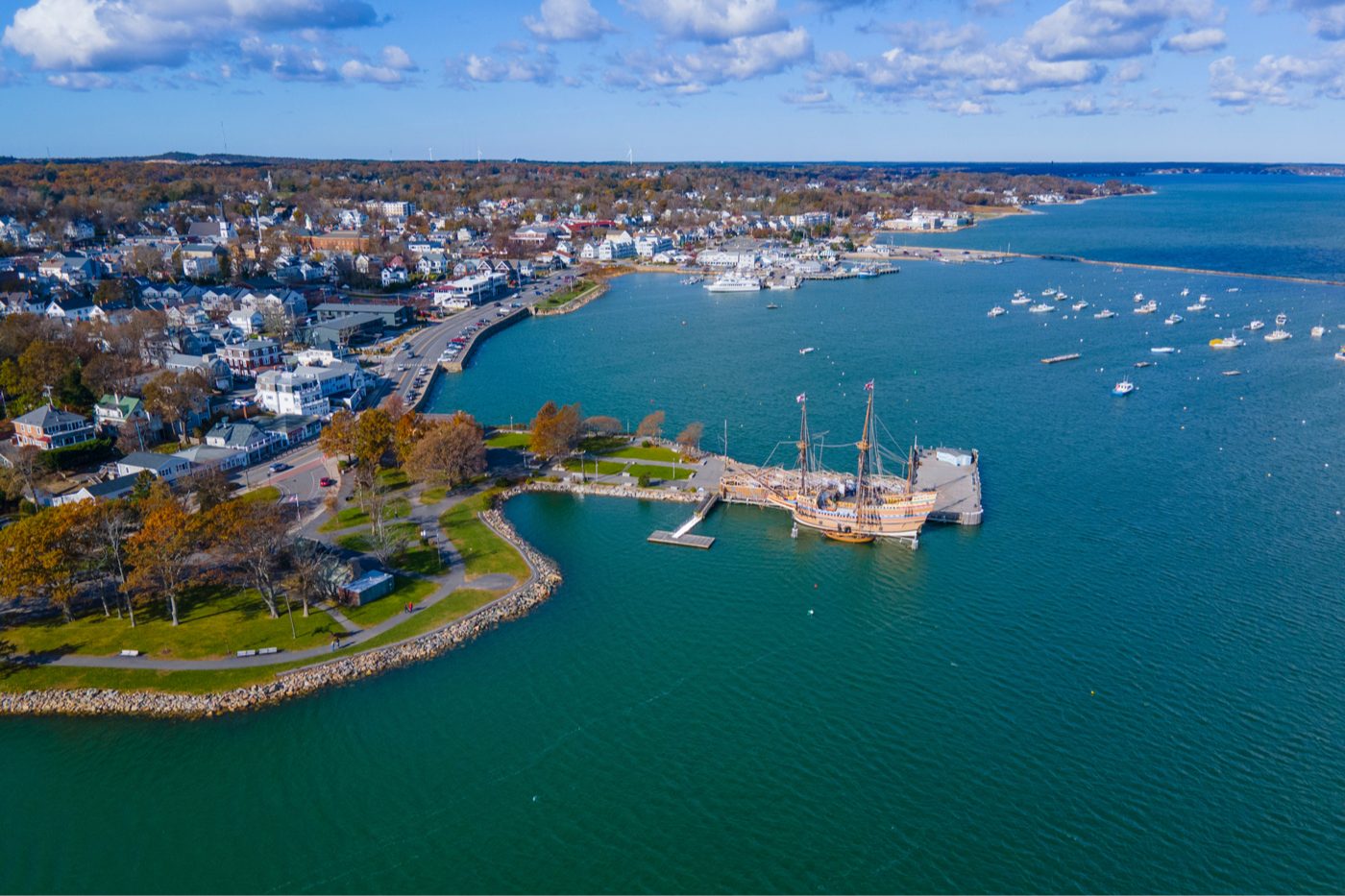
Plymouth sits at the edge of Cape Cod Bay, a natural harbor that welcomed the Mayflower in 1620 and remains active with recreational boating, fishing charters, and seasonal whale-watch operators. Yet no passenger vessel makes the run north to Boston, a gap that surprises many first-time visitors expecting a coastal link between two of New England's most historic ports. The absence of a boston to plymouth ferry stems from both geography and economics. The route would traverse open water exposed to shifting weather, require dedicated docking infrastructure at both ends, and serve a corridor already covered by frequent land-based transit. Seasonal ferry services in Massachusetts—such as those to Provincetown, Martha's Vineyard, and Nantucket—benefit from island access needs and summer tourism volumes that a Boston-Plymouth line would not replicate. Plymouth's waterfront centers on its inner harbor and Town Wharf, where smaller craft dock but no large passenger terminal exists. Travelers coming from Boston typically choose the MBTA commuter rail, which departs South Station and reaches Plymouth in roughly 60 minutes, or the Plymouth & Brockton bus line, which offers multiple daily departures and takes slightly longer. Both options terminate near the downtown historic district, within walking distance of Plymouth Rock, the Mayflower II replica, and the harbor promenade. Driving via Route 3 South covers the distance in 45 to 50 minutes under normal traffic, with parking available at municipal lots near the waterfront. The question of a ferry alternative surfaces regularly in regional transportation discussions, particularly during summer months when coastal road traffic peaks. Proposals have circulated over the years, but none have secured the funding or ridership projections needed to move forward. For now, reaching Plymouth from Boston means choosing between the reliability of commuter rail, the flexibility of a car, or the convenience of express bus service—all of which deliver you to the same historic harbor that a boat journey would, just by a different route.
“The route would traverse open water exposed to shifting weather, require dedicated docking infrastructure at both ends, and serve a corridor already covered by frequent land-based transit.”
There is no direct ferry service between Boston and Plymouth. Consequently, no ticket fees or operational pricing exist for this route.
Verdict: Travelers pay 0 USD because no direct ferry service exists for this route.
Since no direct ferry service exists between Boston and Plymouth, travelers must rely on ground transportation. Commuter rail and driving are the most reliable methods for completing this journey.
MBTA Commuter Rail Kingston Line to Kingston Station then bus or taxi
I-93 South to Route 3 South
Plymouth & Brockton Street Railway from South Station
If taking the commuter rail, confirm your connection from Kingston Station to downtown Plymouth in advance, as local transit options may be limited depending on the time of day.
Since there is no direct ferry service between Boston and Plymouth, visitors often plan their itineraries to include other significant landmarks along the South Shore and Cape Cod. These sites offer historical and coastal context that complements a trip to the Plymouth area.
10 min drive
This living history museum provides detailed insight into 17th-century colonial life and Wampanoag culture, serving as a primary historical destination in the region.
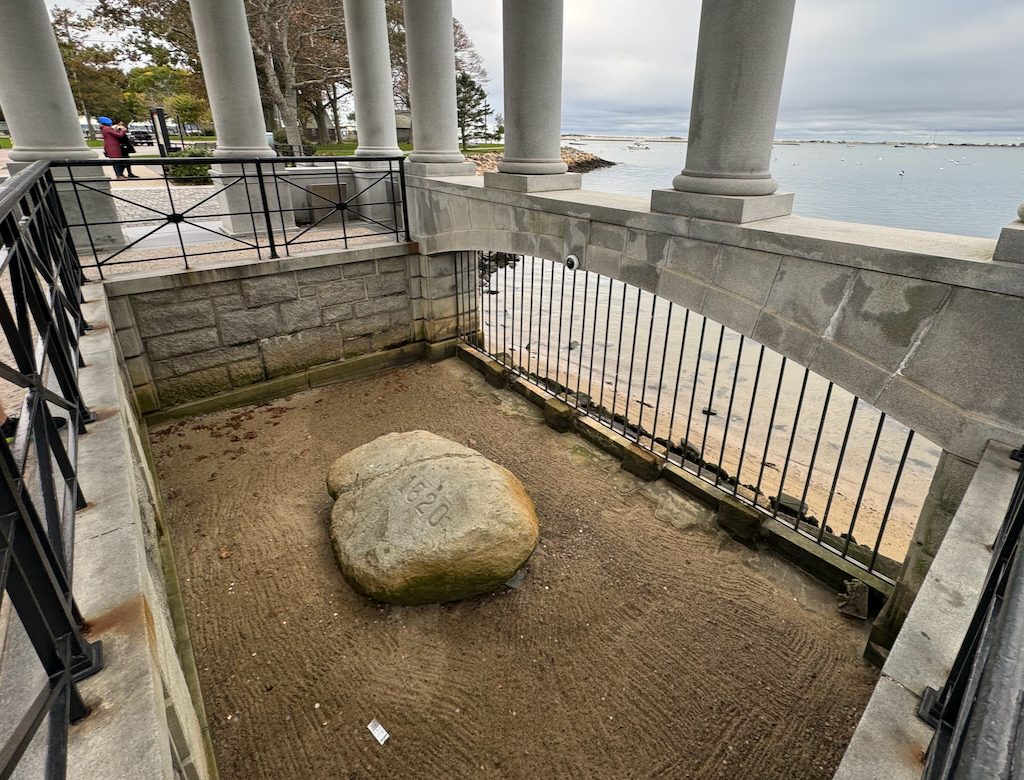
5 min drive
Located on the waterfront, this historical landmark marks the traditional site where the Mayflower Pilgrims landed in 1620.
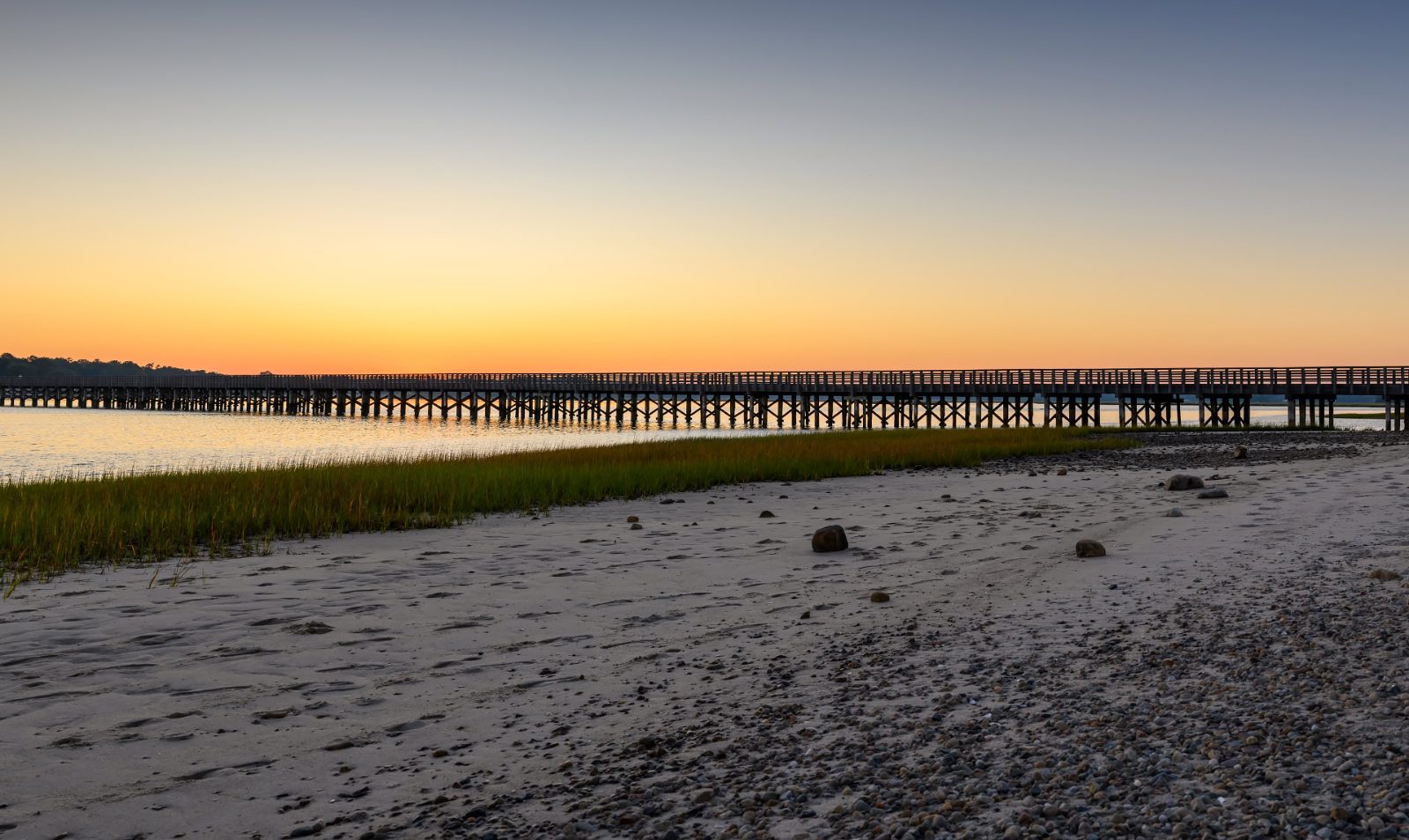
20 min drive
This barrier beach offers extensive coastal views and serves as a natural alternative for travelers exploring the South Shore shoreline.
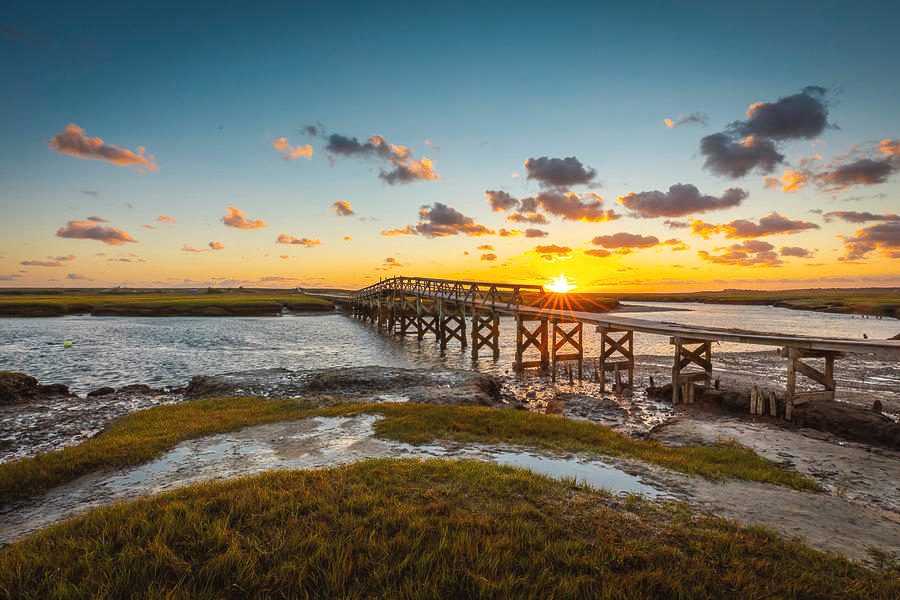
35 min drive
As one of the first towns on Cape Cod, Sandwich provides a scenic coastal stop for those continuing their journey south from Plymouth.
Everything you need to know about boston to plymouth ferry
No direct boston to plymouth ferry service exists for travelers. Visitors looking for a water-based route will not find scheduled passenger boats connecting these two coastal locations.
Most travelers choose to reach the historic town by private vehicle, rental car, or regional bus services. These land-based options provide the most reliable transit between the two Massachusetts destinations.
The distance is approximately 40 miles, which typically takes between 60 to 90 minutes depending on traffic conditions. Navigating the coastal highways offers a direct route to the famous Plymouth Rock and harbor area.
Since no boston to plymouth ferry exists, no legitimate tickets or online booking platforms can be offered. Always verify transport availability through official regional transit authorities before planning your arrival.
There are currently no boston to plymouth ferry operations designed for maritime sightseeing. Local tours are restricted to harbor cruises that depart from and return to the Plymouth waterfront area.
Travelers should allocate at least one to two hours for the journey by car or public transit. This ensures enough time to navigate exit routes from the city and potential congestion on major expressways.
No, there are no seasonal water shuttle services connecting these ports. All maritime activities remain localized within the respective harbors of each city.
The lack of a boston to plymouth ferry is primarily due to the geography of the coastline and a lack of demand for a dedicated water shuttle. Existing infrastructure focuses on land-based commuter rail and highway systems for regional connectivity.
Boston to Plymouth Rock Tour
Read more GuideDistance from Boston to Plymouth
Read more GuideBoston to Plymouth Public Transportation
Read more GuidePlimoth Plantation from Boston
Read more Tickets & toursBoston to Plymouth Day Trip
Read more GuideBoston to Plymouth Train Options
Read more