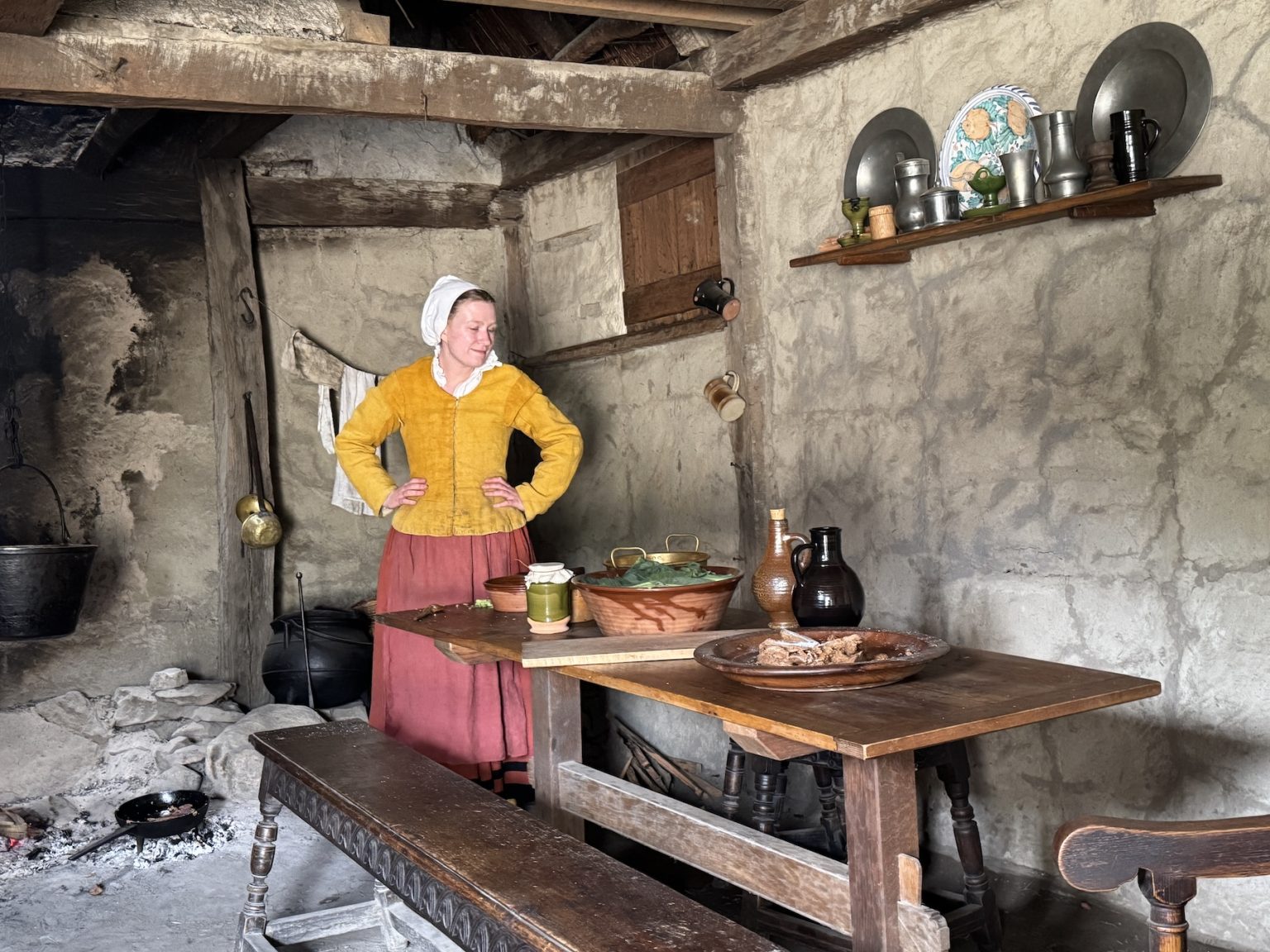
English Village
A re-creation of the 1627 Pilgrim settlement where historical interpreters demonstrate colonial daily chores and trade.
Observe interpreters at work to understand the challenges of colonial survival.

Plimoth Patuxet Museums—formerly Plimoth Plantation—recreates 17th-century colonial and Indigenous life on the South Shore, an hour south of Boston. This guide covers when to arrive, what you'll encounter across the 17-acre campus, and how to structure your visit to the English Village, Wampanoag Homesite, and indoor exhibits.
Quick answer
Plimoth Plantation Boston is open daily from 09:00 to 17:00, with adult admission priced at 35 USD per person for the main campus at 137 Warren Avenue in Plymouth. The museum operates year-round, though outdoor exhibits close during winter months. Arriving between 09:00 and 12:00 gives you the clearest window to explore both the 1627 English Village and the Wampanoag Homesite before midday crowds fill the paths.
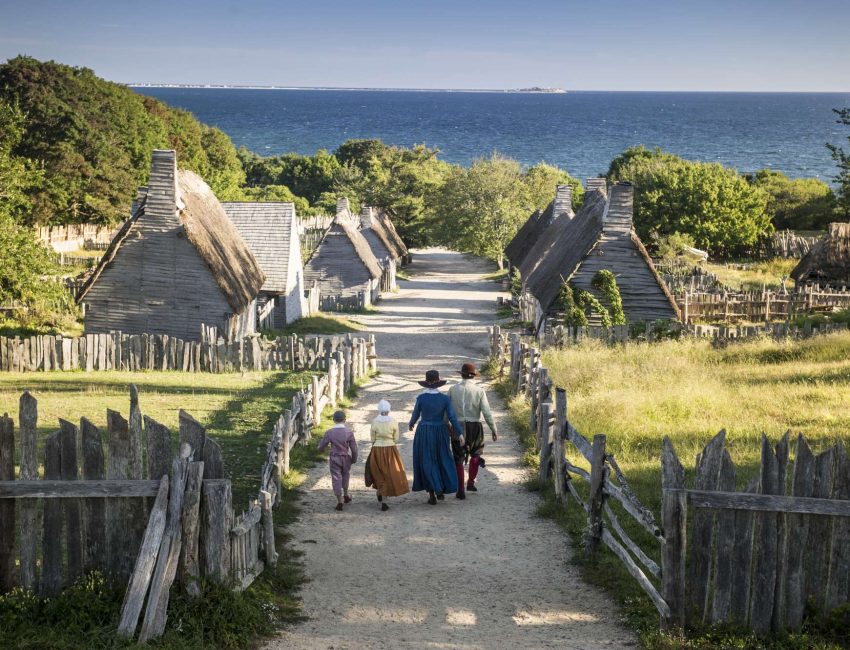
The site spans two distinct settlements separated by woodland trails: a recreated English colonial village where costumed role-players speak, cook, and work as though the year is 1627, and the Wampanoag Homesite where Indigenous staff in contemporary dress discuss Eastern Woodland culture, seasonal practices, and the diplomacy that shaped early contact. Neither is a static display. Interpreters at the English Village remain in character, answering questions through the perspective of assigned colonists aboard the Mayflower or Fortune, while Wampanoag guides at the homesite shift focus depending on the season—planting, fishing, or preparing wetu frames as their ancestors did. The museum rebranded to Plimoth Patuxet in 2020 to reflect the Wampanoag name for the region, acknowledging the land's history before and beyond the English settlement narrative. That shift runs through every gallery. The Patuxet Homesite moved from a peripheral interpretive zone to equal billing with the colonial village, and indoor exhibits now dedicate as much floor space to Wampanoag sovereignty and survival as to Pilgrim hardship. If you arrive expecting a theme park retelling of Thanksgiving, the nuance will surprise you. The site teaches contact, not conquest mythology. Most visitors allocate two to three hours for a complete circuit. The English Village sits at the campus center—dirt lanes between thatched homes, garden plots fenced with wattle, and a fort overlook above the village common. The Wampanoag Homesite lies a ten-minute walk through forest trails, marked by mishoon canoes and dome-shaped wetu dwellings framed in saplings and bark. Indoor galleries near the visitor center hold artifacts, rotating exhibitions on foodways and material culture, and a small theater screening orientation films. Plan to walk unpaved terrain; gravel paths connect the sites, and rain turns sections muddy. The museum closes its outdoor exhibits from late November through late March, operating indoor-only programming during that stretch. If you visit outside peak summer, call ahead or check the calendar on the official site to confirm which areas remain accessible. School groups dominate weekday mornings in spring and fall, so weekend visits offer quieter conditions if you want extended conversations with interpreters.
“The site teaches contact, not conquest mythology.”
The best arrival window for visiting Plimoth Patuxet is 09:00–12:00. Arriving during this early period allows you to avoid peak mid-day crowds and ensures sufficient time to tour the exhibits.
—
Mid-week visits offer the most tranquil experience for walking through the living history sites.
Mild temperatures 50°F to 70°F
Spring features pleasant weather and active gardens before the heavy summer tourism begins.
Cooler temperatures 40°F to 60°F
Crisp air and autumn foliage provide a seasonal atmosphere well-suited for historical exploration.
Warm temperatures 70°F to 85°F
Expect larger crowds and busier pathways during these peak summer months.
Verdict: The best time to visit is Tuesday to Thursday, arriving at 09:00, during the months of April or October.
Plimoth Patuxet is open daily to visitors throughout the week. The museum maintains consistent operating hours every day to accommodate scheduled tours.
Plimoth Patuxet Museums is located at 137 Warren Avenue, Plymouth, MA 02360, USA. Given the distance from Boston, a personal vehicle or rental car is the most direct way to reach the site.
I-93 S to Route 3 S, take Exit 6B
MBTA Commuter Rail (Kingston Line) to Kingston Station
Direct from Boston via Route 3 S
While the commuter rail brings you to the vicinity of Plymouth, you will need a taxi or rideshare service to complete the final leg to the museum. Ample parking is available on-site for those driving directly.
Plimoth Patuxet Museums offers an immersive look at 17th-century colonial life and the Indigenous history of the region. Visitors navigate through distinct historical sites that recreate the environment and daily operations of the period.
A re-creation of the 1627 Pilgrim settlement where historical interpreters demonstrate colonial daily chores and trade.
Observe interpreters at work to understand the challenges of colonial survival.
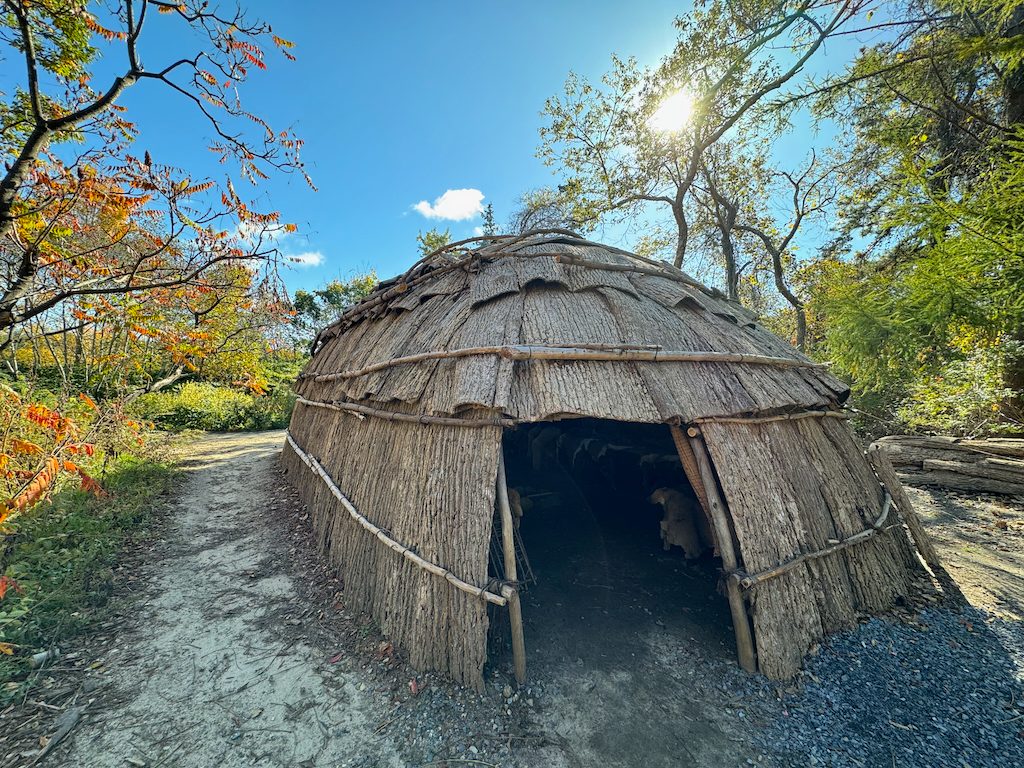
This site presents the perspective of the Wampanoag people, featuring traditional wetu dwellings and demonstrations of Indigenous technology.
Talk with the cultural educators to learn about Wampanoag traditions and history.
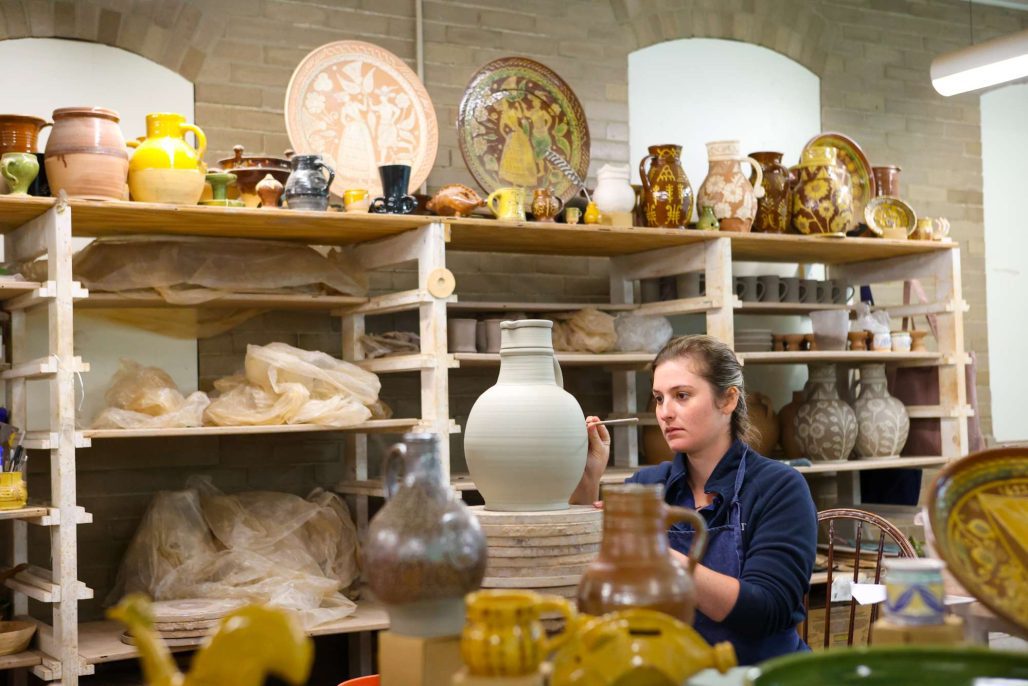
Skilled artisans demonstrate traditional methods including pottery, blacksmithing, and woodworking used during the 17th century.
Watch the blacksmiths to see how tools were manufactured by hand.

Visit the animal exhibits to see heritage breeds of livestock that reflect the animals brought to the colony in the 1600s.
Walk the paths between pastures to spot the various heritage breeds.
Plymouth offers several historic landmarks that provide context to the colonial history found at Plimoth Patuxet. These sites are located along the waterfront, making them logical additions to a full day of exploring the area.
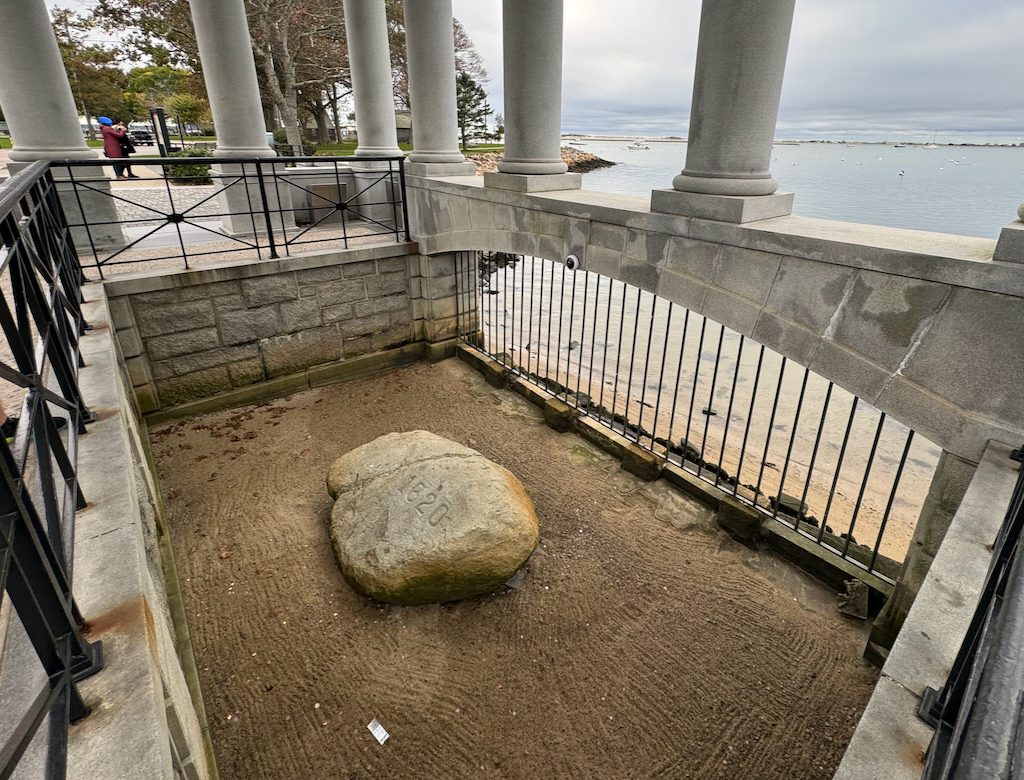
10 min drive
This iconic stone marks the traditional landing site of the Pilgrims and serves as a central point for understanding the town's history.

10 min drive
A full-scale reproduction of the ship that brought the Pilgrims to America, this vessel allows visitors to visualize the conditions of the 1620 voyage.
10 min drive
Overlooking the harbor, this monument provides historical perspective and views that connect the town to its maritime heritage.

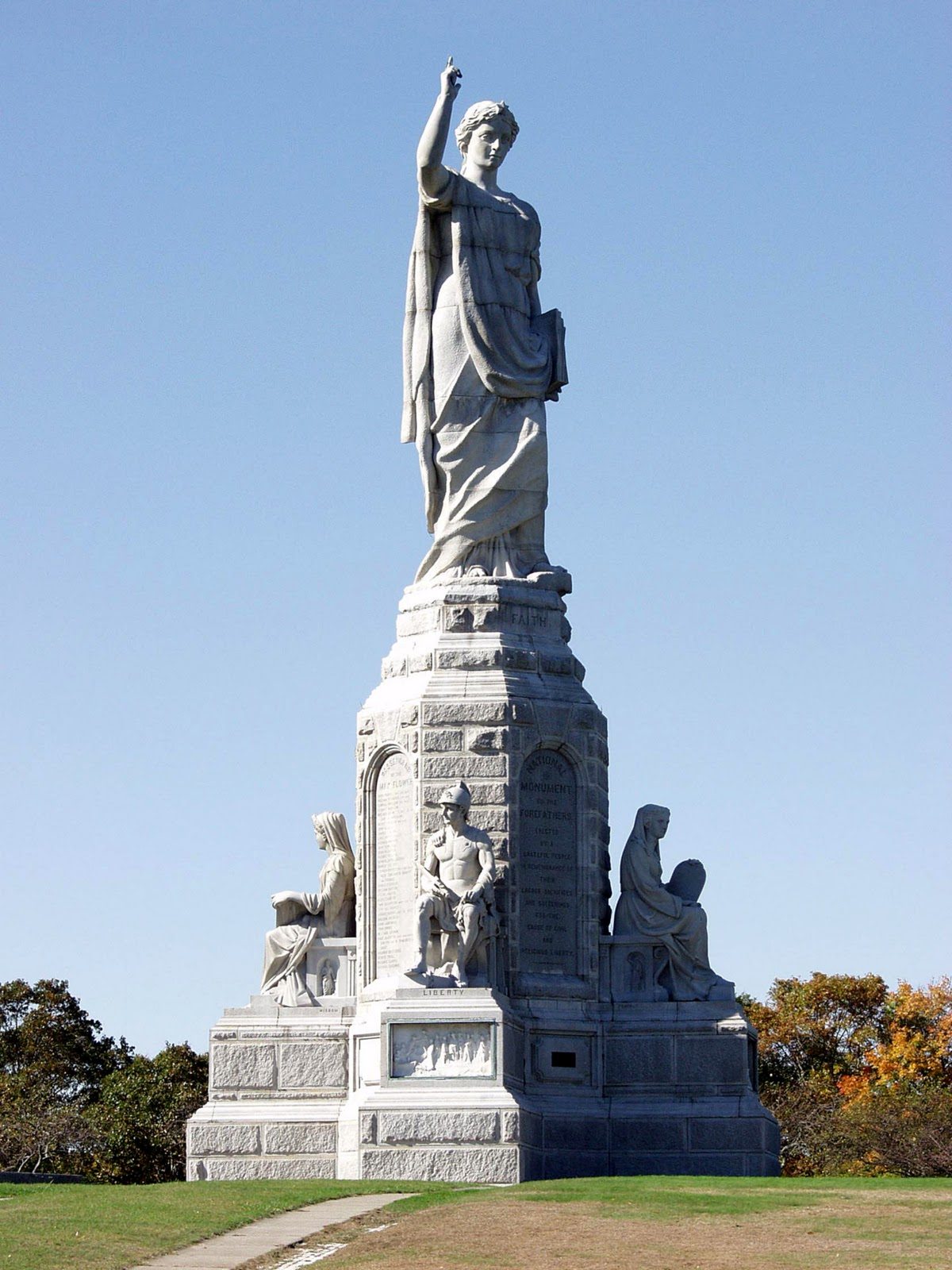
5 min drive
Standing as one of the largest solid granite monuments in the world, this site honors the themes and people associated with the founding of Plymouth.
Everything you need to know about plimoth plantation boston
While many visitors search for plimoth plantation boston, the site is located in Plymouth, Massachusetts, approximately 40 miles south of Boston. Travelers typically arrange private transport or join guided excursions to bridge this distance.
Public transit options between Boston and the attraction are limited, making organized shuttle services a popular choice for visitors. These services help simplify the logistics of reaching the historic campus on Warren Avenue.
The entrance fee is 35 USD for adult admission to the main campus. This fee provides access to the immersive historical environments maintained by the site.
We recommend an arrival window of 09:00–12:00 to avoid peak mid-day crowds and ensure you have sufficient time to tour the exhibits. Arriving early is a helpful strategy for a more relaxed experience.
The site offers immersive experiences including the English Village and the Wampanoag Homesite where historical interpreters share 17th-century perspectives. These living history exhibits provide a deep dive into the region's colonial and indigenous heritage.
Booking information and visitor resources are available through the official website. We provide links to these official channels to ensure you have the most accurate details for your trip.
Boston to Plymouth Rock Tour
Read more GuideDistance from Boston to Plymouth
Read more GuideBoston to Plymouth Public Transportation
Read more Tickets & toursBoston to Plymouth Day Trip
Read more GuideBoston to Plymouth Ferry Guide
Read more GuideBoston to Plymouth Train Options
Read more